How The 10 Worst Autonomous Vacuum Mistakes Of All Time Could Have Been Prevented
The Rise of Autonomous Vacuums: Revolutionizing Home Cleaning
In the age of technology, household chores are becoming increasingly automated, and one of the most notable improvements in this world is the autonomous vacuum. These intelligent cleaning robotics are developed to alleviate the drudgery of traditional vacuuming, making them popular amongst time-strapped homes. This post checks out the evolution, performance, benefits, and limitations of autonomous vacuums, in addition to a comparison of some of the leading designs on the marketplace today.
What is an Autonomous Vacuum?
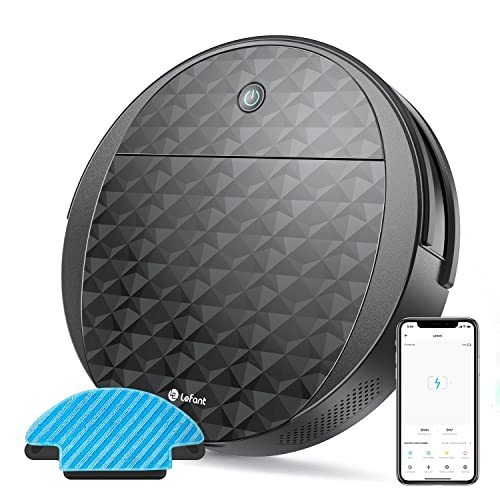
An autonomous vacuum, likewise referred to as a robotic vacuum cleaner, is a small, automated device that navigates through your home to clean floors without human intervention. Equipped with sensing units, cameras, and advanced software, these vacuums can identify obstacles, avoid stairs, and enhance cleaning courses. They normally run from a rechargeable battery, returning to their charging stations when their power is low or when cleaning jobs are completed.
Secret Features of Autonomous Vacuums
Smart Navigation:
- Utilizes sensors and algorithms to map the environment.
- Can browse intricate designs and prevent barriers.
Scheduling:
- Allows users to set cleaning times.
- Can run when your home is empty, making sure minimal disruption.
Connection:
- Many designs link to Wi-Fi, enabling app control and combination with wise home systems.
- Users can tailor settings, check cleaning status, and get alerts through mobile applications.
Suction Power:
- Varies between designs; some offer adjustable suction settings for various floor types.
- High-end designs include effective suction efficient in selecting up pet hair and deep dirt.
Floor Type Adaptability:
- Capable of cleaning carpets, wood, tiles, and more.
- Particular designs specialize in tailored cleaning for several surface areas.
The Advantages of Using Autonomous Vacuums
1. Time-Saving
Among the most substantial benefits of autonomous vacuums is the amount of time they conserve. Rather than investing hours pressing a traditional vacuum, homeowners can set robotic vacuums to clean while they are participated in other activities.
2. Consistent Cleaning Schedule
With the capability to arrange cleanings, these vacuums make sure that spaces are routinely cleaned up, causing a cleaner home overall. Routine cleaning helps preserve indoor air quality, especially for households with allergies or asthma.
3. Smart Home Integration
Many autonomous vacuums can be integrated with smart home systems for seamless operation. Property owners can manage their vacuums through voice commands through devices like Amazon Alexa or Google Assistant, enhancing user convenience.
4. Compact Design
The slim profile of these gadgets enables them to clean up under furniture, such as sofas and beds, where traditional vacuums frequently can not reach.
5. Pet-Friendly
For pet owners, autonomous vacuums can be a game-changer, as they are often geared up with specialized functions for getting family pet hair and dander, adding to a cleaner home environment.
Limitations of Autonomous Vacuums
Despite their many benefits, autonomous vacuums likewise have limitations:
1. Restricted Deep Cleaning
While these vacuums effectively maintain cleanliness, they may not change the efficiency of a deep clean provided by traditional vacuums, especially for heavily stained areas.
2. Capacity Constraints
The majority of autonomous vacuums featured little dust bins that require to be emptied regularly, especially in bigger homes or homes with family pets. This can be an inconvenience for some users.
3. Navigation Challenges
Although navigation innovation is constantly improving, some designs might have problem with particular designs, especially complicated areas with many barriers or extremely little rooms.
4. Cost Point
While rates have ended up being more accessible, high-end models can still be rather pricey, posing a barrier for some consumers.
Contrast of Top Autonomous Vacuum Models
Model
Smart Features
Battery Life
Suction Strength
Cost Range
iRobot Roomba 980
App Control, Voice Assistant
120 minutes
1700 Pa
₤ 700 – ₤ 900
Roborock S6 MaxV
Advanced Mapping, Connectable
180 minutes
2500 Pa
₤ 600 – ₤ 800
Ecovacs Deebot Ozmo
Mopping, Smart Home
110 minutes
1500 Pa
₤ 450 – ₤ 700
Neato Botvac D7
Laser Navigation, Custom Zones
120 minutes
2000 Pa
₤ 800 – ₤ 900
Shark IQ Robot
Self-Emptying Base, Smart Map
90 minutes
1500 Pa
₤ 400 – ₤ 600
Noteworthy Takeaways
- Smart Features: Consumers ought to prioritize designs providing robust smart features for benefit and performance.
- Battery Life: A longer battery life is helpful for larger living spaces.
- Suction Strength: Depending on home needs, varying suction power can significantly impact cleaning performance.
FAQs about Autonomous Vacuums
Q1: How do I preserve my autonomous vacuum?
A: Regular maintenance consists of cleaning the brushes, emptying the dustbin, and looking for obstructions. Furthermore, keeping the sensors clean up will assist keep navigation precision.
Q2: Can robotic vacuums clean rugs and carpets?
A: Yes, lots of robotic vacuums are designed to efficiently clean both hard surfaces and carpets. Nevertheless, suction power might differ based upon the design.
Q3: Do robotic vacuums require Wi-Fi?
A: While numerous autonomous vacuums benefit from Wi-Fi connectivity for app control and updates, some models can run individually without a wireless connection.
Q4: How typically should I run my robotic vacuum?
A: It depends upon your living scenario, however running it several times a week is typically suggested, especially for homes with animals.
In conclusion, autonomous vacuums represent a significant improvement in home cleaning technology, appealing convenience and efficiency. While best robot mop UK might not completely replace conventional vacuum cleaners, they are certainly valuable in maintaining a clean living environment. As innovation continues to evolve, the future of home cleaning looks appealing, and these gadgets are at the leading edge of the transformation.